Osaka: The Rising Sun of Asian Property Investment
As an international real estate adviser serving Hong Kong and China's most discerning investors, we witnessed a fundamental reallocation of capital over the past five years. The traditional havens are either saturated or have erected regulatory barriers, and the smart money is moving decisively toward Asia. Within this pivot, one city stands out as offering a unique confluence of policy tailwinds, infrastructure catalysts, and a compelling entry price: Osaka, Japan.
While Tokyo remains a heavyweight, our analysis shows that Osaka is currently outperforming in terms of capital appreciation and rental yield potential, driven by a once-in-a-generation transformation. Here is the comprehensive case for why Osaka should be the cornerstone of your international buy-to-let portfolio.
Price Growth and Affordability
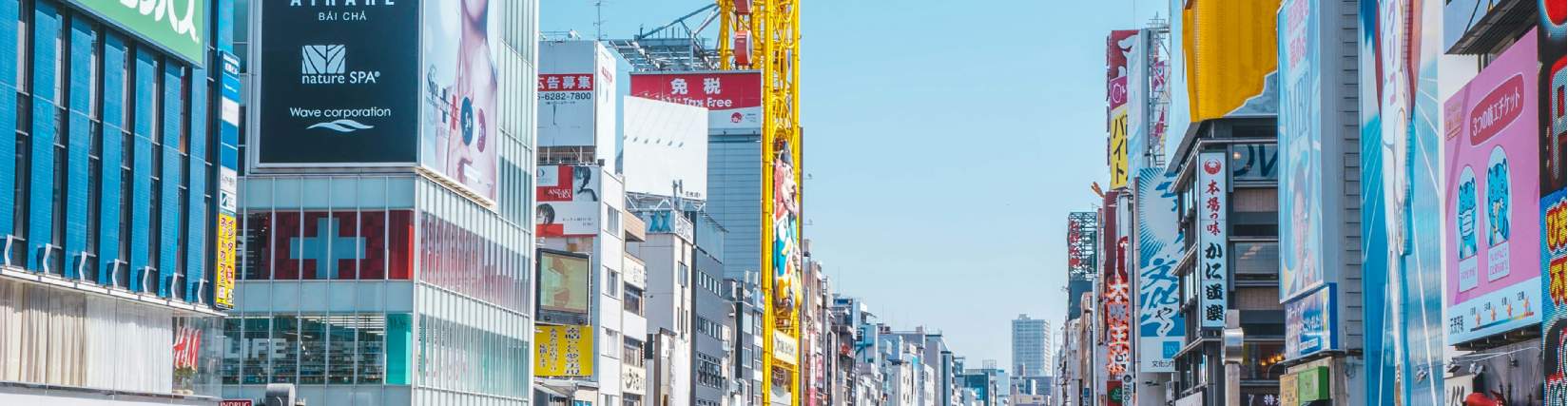
In 2026, Osaka was ranked as the top city globally for property price growth, outpacing New York with a 3.3% increase in just half a year. Commercial land prices in Osaka City surged an average of 11.6% in 2025, with specific tourist-centric areas like Dotonbori seeing rises of over 22%.
Crucially, for our institutional clients looking to deploy significant capital, Osaka offers a "secondary city" price point for a "primary city" opportunity. Property entry costs remain approximately 30% to 40% lower than Tokyo's, yet rental yields are superior. While luxury properties in Tokyo's Minato Ward are priced at a premium, Osaka's comparable assets are roughly 27% cheaper, presenting a significant value gap that is rapidly closing.
The "Casino Effect”
The most significant catalyst is undoubtedly the US$8.1 billion MGM Osaka Integrated Resort (IR) on Yumeshima Island. Broken ground in 2025, MGM Osaka is set to make a landmark debut in 2030. This is Japan's first casino resort, and its impact on the real estate landscape is already being felt. Projections suggest the IR will attract 15 to 20 million visitors annually by the early 2030s, a volume that will drastically outstrip the current hotel supply.
Osaka currently has roughly 80,000 hotel rooms. Experts predict demand will surge past 120,000, creating an acute housing and short-term rental gap. For investors, this means immediate demand for "minpaku" (short-term rentals) and residential units before the IR opens.
Japan Tourism: The "All-Season" Influx
Japan's "Tourism Nation" policy is a pillar of its economic strategy, targeting 60 million visitors by 2030. While Tokyo and Kyoto are saturated, Osaka is now the beneficiary.
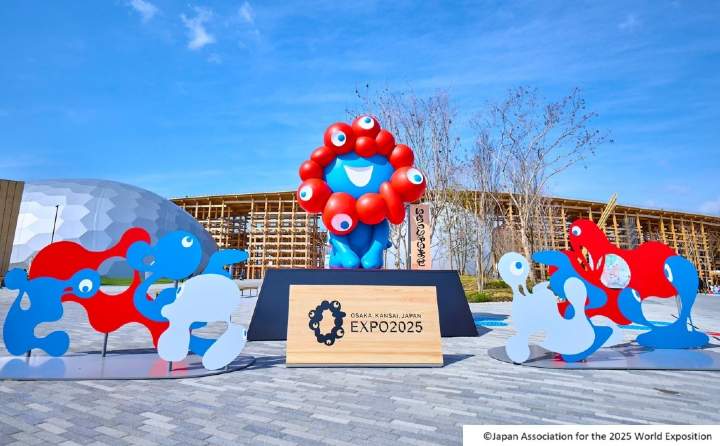
The recent 2025 Osaka-Kansai World Expo was not merely a cultural showcase—it was an economic powerhouse that delivered concrete financial validation for Osaka's investment case. According to Japanese government estimates released after the Expo's conclusion in October 2025, the event generated a staggering 3.6 trillion yen (approximately US$22.56 billion) in economic ripple effects. This figure exceeded the government's own pre-event forecast of 2.9 trillion yen, driven by stronger-than-expected visitor spending on shopping, dining, and accommodation.
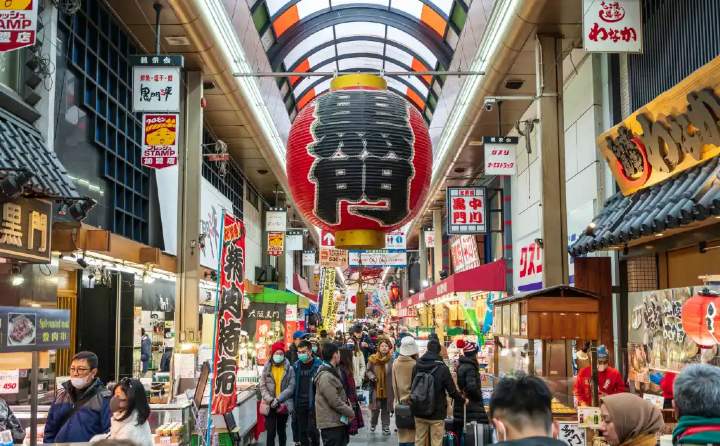
Osaka offers four distinct seasons, ensuring consistent tourist flow year-round. In key tourist districts like Namba and Shinsaibashi, short-term rentals boast occupancy rates as high as 88%, significantly outperforming traditional long-term rental yields.
The Japanese government's focus on tourism ensures a stable pipeline of visitors, providing a safety net for buy-to-let investments.
Infrastructure: Umekita and Beyond
Osaka is undergoing a massive urban renewal program. The Umekita (Grand Green Osaka) redevelopment adjacent to JR Osaka Station is a 22-acre mega-project turning the city center into a global hub for tech and life sciences.
Furthermore, the Naniwasuji Line (opening circa 2031) will create a new north-south metro corridor connecting Shin-Osaka to Namba, while the extension of the Chuo Line provides direct access to Yumeshima (IR site). These infrastructure projects act as a "rising tide," lifting land values along their corridors even before completion.
For Hong Kong and Chinese investors, the macro-economic and legal environment in Japan is exceptionally attractive.
Political and Legal Stability: Japan offers a sound, transparent, and highly stable legal system. Foreigners can own freehold title with the same rights as locals, with no additional tax on foreigners.
The "Currency Discount": The weak Japanese Yen against the US Dollar and Asian currencies offers a historic "currency discount." For foreign investors, this effectively reduces the purchase price of assets by a significant margin, providing a natural hedge and capital gains buffer.
World-Class Safety and Transport: The safety, cleanliness, and punctuality of Japan's transport systems remain world-class, making it a top choice for both tourists and expatriates.
The Japanese property market has entered a new era, and Osaka is leading the charge.
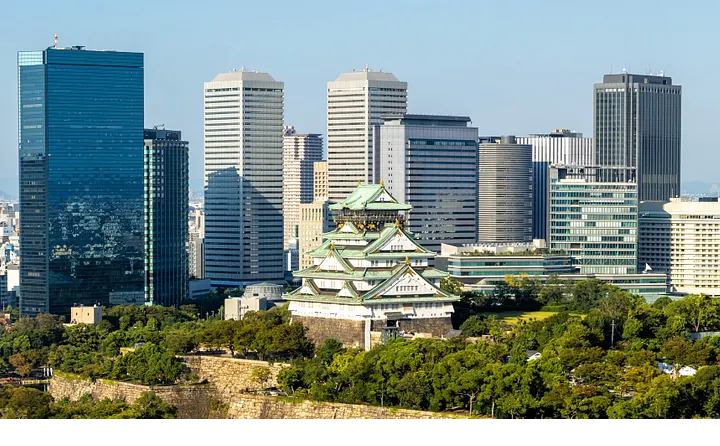
Osaka is currently outperforming in terms of capital appreciation and rental yield potential.

The US$8.1 billion MGM Osaka Integrated Resort (IR) on Yumeshima Island



.jpg "Savills Hong Kong - Kenny Law")